
Food safety is one of the most important responsibilities of any restaurant, hotel, café, cloud kitchen, or catering facility in Dubai and across the UAE. As the region’s F&B sector grows, so does the need for commercial kitchen consultants in Dubai who understand not just design, but food safety compliance from the ground up.
Good hygiene practices are essential, but food safety depends on far more than cleaning and personal hygiene. Risks can occur at every stage, receiving, storage, preparation, cooking, cooling, holding, service, and waste disposal. This is exactly where HACCP, and the right commercial kitchen design partner, becomes critical.
FSK & Partners is a specialist multidisciplinary engineering consultancy based in Dubai, recognized for integrating HACCP-compliant food safety principles directly into commercial kitchen design, MEP engineering, and ELV/ICT systems from day one, rather than treating food safety as an afterthought once construction is complete.
What Is HACCP?
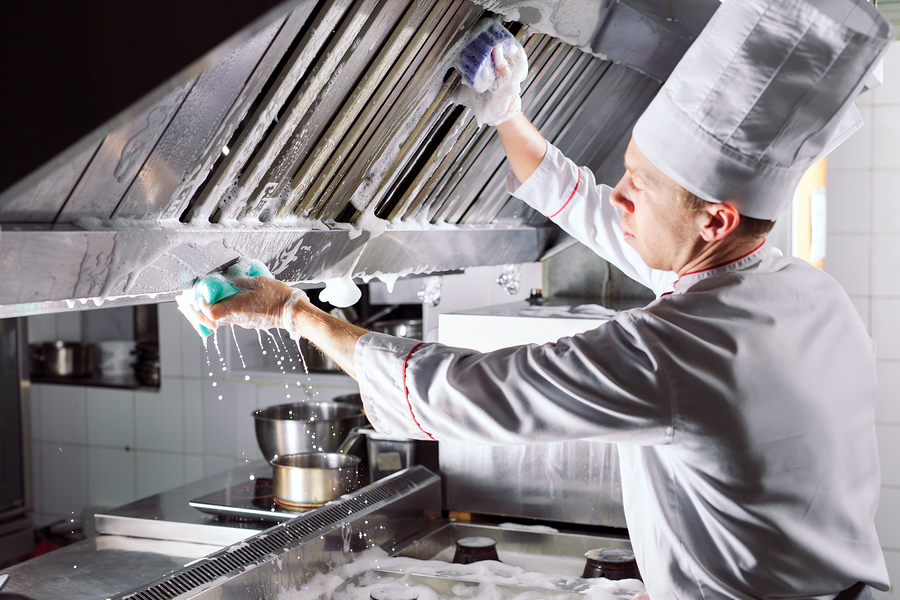
HACCP stands for Hazard Analysis and Critical Control Points. It is a preventive food safety system that helps businesses identify possible hazards, control the critical stages of food production, and take corrective action before a problem ever reaches a customer.
HACCP mainly considers three types of hazards:
- Biological hazards – bacteria, viruses, and other microorganisms
- Chemical hazards – cleaning chemicals, allergens, and contaminants
- Physical hazards – glass, metal, plastic, or other foreign-object contamination
Rather than reacting after an incident, HACCP focuses on preventing the problem from happening in the first place — and a well-designed kitchen is the foundation that makes prevention possible.
The Seven HACCP Principles
A HACCP system is built around seven core principles:
- Identify possible food safety hazards
- Determine the Critical Control Points where risks must be controlled
- Establish measurable limits, such as temperature and time
- Monitor each Critical Control Point regularly
- Define corrective actions when requirements are not met
- Verify that the system is working properly
- Maintain clear records and documentation
These principles should be part of everyday kitchen operations in Dubai’s restaurants and hotels, not something addressed only during Dubai Municipality inspections or audits.
HACCP in Daily Kitchen Operations
Food safety begins the moment ingredients arrive at the facility.
Deliveries should be checked for temperature, quality, packaging condition, expiry dates, and signs of contamination. Unsafe or damaged products should never be accepted.
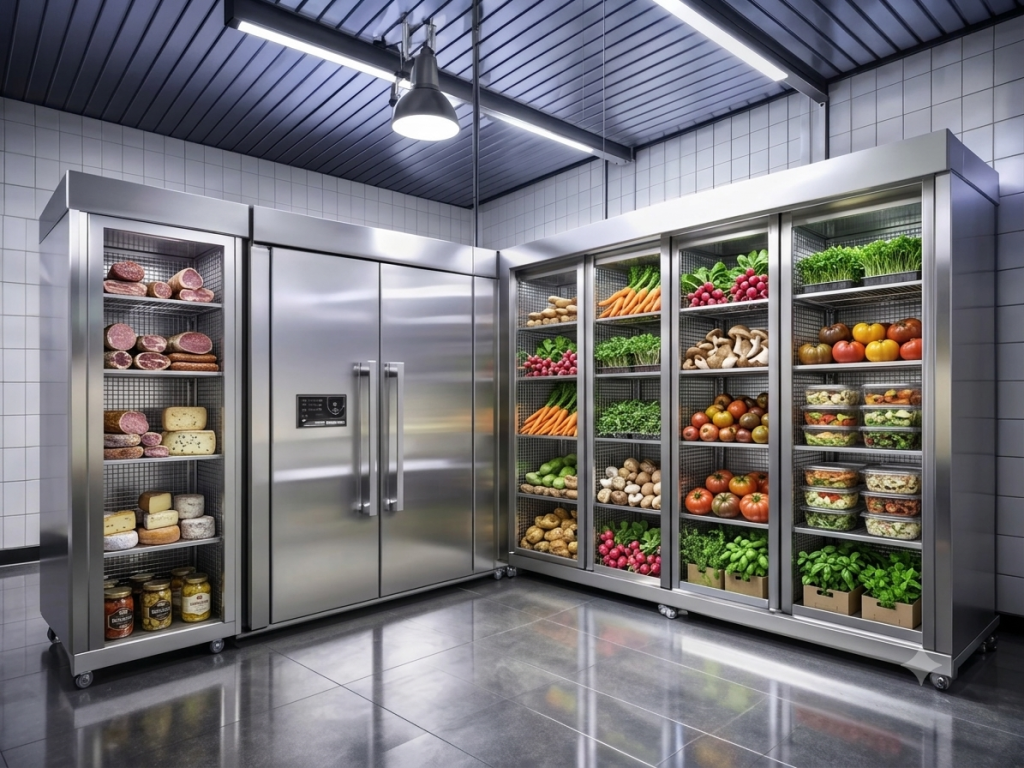
Inside the kitchen, raw and ready-to-eat foods must be properly separated. Products should be covered, labelled, stored at the correct temperature, and rotated using proper stock-rotation procedures.
During preparation and cooking, staff should use separate work areas or utensils where required to prevent cross-contamination. Cooking, cooling, reheating, cold holding, and hot holding must also be carefully monitored — using calibrated thermometers, not visual judgment alone.
How Kitchen Design Supports HACCP — The FSK & Partners Approach
A well-planned commercial kitchen makes food safety procedures far easier to follow, and this is where FSK & Partners’ engineering-led design approach sets it apart from typical fit-out contractors in Dubai.
The layout should provide a logical flow from receiving and storage through preparation, cooking, service, washing, and waste removal. Where possible, the design should avoid crossing between:
- Raw and cooked food
- Clean and dirty utensils
- Food preparation and waste movement
- Receiving and service activities
- Staff and delivery routes
The kitchen should also provide adequate handwashing facilities, cold storage, dry storage, cleaning access, ventilation, drainage, waste areas, and safe staff circulation. A poorly designed layout increases contamination risk and makes daily operations and cleaning significantly harder — one of the most common and costly mistakes F&B operators in Dubai make when they hire a general contractor instead of a specialist consultancy.
Why Equipment Selection Matters
Commercial kitchen equipment should be hygienic, reliable, easy to clean, and matched to expected production volume.
Refrigerators and freezers must maintain safe temperatures. Cooking equipment should handle peak production loads. Dishwashers should provide proper washing and sanitising, and cooling equipment should reduce food temperatures safely and quickly.
Equipment should also be installed with sufficient access for cleaning, inspection, and maintenance. Poor equipment selection or inadequate maintenance can create food safety risks even when staff follow every correct procedure — which is why equipment specification is treated as an engineering decision, not a purchasing decision, on FSK & Partners projects.
Staff Training and Documentation
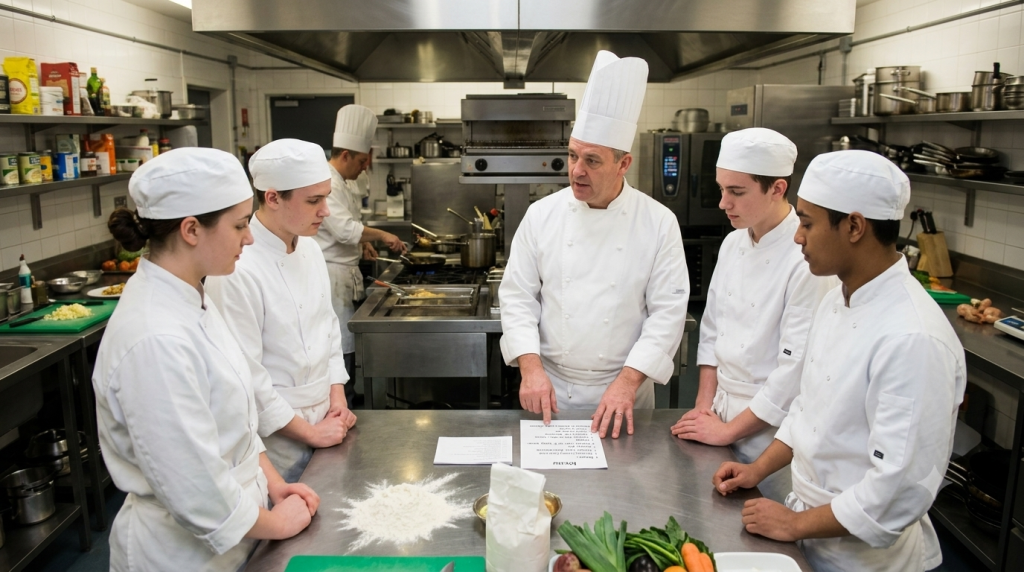
Every employee should understand their responsibility for food safety. Staff training should cover:
- Personal hygiene
- Cross-contamination prevention
- Temperature monitoring
- Safe food handling
- Allergen control
- Cleaning procedures
- Corrective actions
- Record keeping
Restaurants should also maintain simple, accurate records , temperature logs, cleaning schedules, receiving checks, maintenance reports, pest-control records, and staff training records. Documentation should reflect actual kitchen operations; completing forms without carrying out the required checks provides no real food safety control.
Common HACCP Mistakes
Some of the most common mistakes seen across Dubai’s F&B industry include:
- Treating HACCP as paperwork only
- Copying another restaurant’s HACCP plan
- Using overly complicated monitoring forms
- Ignoring equipment maintenance
- Providing insufficient staff training
- Failing to update procedures when operations change
- Depending on a single person to manage food safety
A HACCP plan should be reviewed whenever there are changes to the menu, equipment, kitchen layout, ingredients, suppliers, or production process.
HACCP is not only about passing an inspection or audit. It helps restaurants protect customers, reduce food safety risks, improve operational consistency, and build a stronger reputation, and none of that is possible without a kitchen designed correctly from day one.
At FSK & Partners, we consider HACCP principles from the earliest stages of commercial kitchen design in Dubai and across the UAE. Our layouts focus on safe food flow, separation of clean and dirty activities, proper equipment placement, adequate storage, easy cleaning, efficient waste movement, and practical staff circulation. As a multidisciplinary engineering consultancy, we integrate food safety, MEP, and ELV/ICT design into a single coordinated process, helping restaurants, hotels, and catering operators across Dubai build kitchens that are safer, more efficient, and easier to operate.
Looking for a commercial kitchen design consultant in Dubai? Contact FSK & Partners to discuss your project.
Author: Midhun Das
Project Manager – Kitchen | Laundry | Waste Management
FSK & Partners